
 Police are issuing fresh warnings about a resurfaced and slightly modified version of the Bank Investigator scam. This variation is already generating new reports and, once again, is disproportionately targeting seniors.
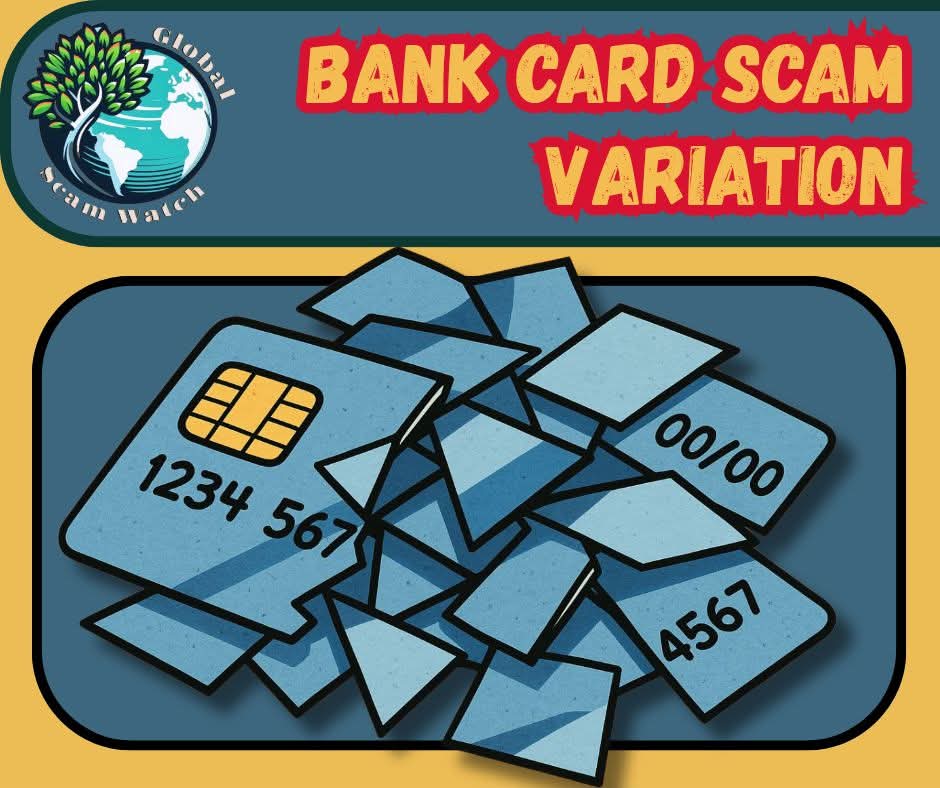
In this version of the scam, victims receive a phone call from someone claiming to be from their bank or credit card company. The caller alleges the card has been compromised and that fraudulent transactions are underway. To “secure” the account, the victim is instructed to cut up their card but to leave the chip intact.
That instruction is deliberate.
After the card is cut, the scammer arranges for a driver or courier to come to the victim’s home to collect it. With the chip still intact, criminals can continue to conduct unauthorized transactions, particularly contactless tap payments, allowing funds to be drained before the fraud is detected.
𝗛𝗢𝗪 𝗧𝗛𝗘 𝗦𝗖𝗔𝗠 𝗨𝗡𝗙𝗢𝗟𝗗𝗦
- The call appears legitimate and professional
- Caller ID may display the name or number of the victim’s bank
- A sense of urgency is created to prevent independent verification
- A courier is dispatched to retrieve the card
- At no point will a legitimate bank ever require a physical card to be collected.
𝗞𝗘𝗬 𝗥𝗘𝗠𝗜𝗡𝗗𝗘𝗥𝗦
- Banks and credit card companies will never send someone to collect your card
- Never hand over your card or any portion of it to a courier or unknown individual
- Never disclose your PIN, one time passcodes, or personal information to unsolicited callers
- Caller ID can be spoofed, including genuine bank phone numbers
𝗪𝗛𝗔𝗧 𝗧𝗢 𝗗𝗢
- Hang up immediately if you receive a suspicious call
- Contact your bank directly using the number printed on the back of your card
- If you believe you have been targeted or victimized, contact your local police and bank / credit c rd company without delay
𝗠𝗘𝗥𝗖𝗛𝗔𝗡𝗧 𝗔𝗗𝗩𝗜𝗦𝗢𝗥𝗬
Merchants may wish to contact their payment processing provider to disable contactless payments or reduce tap limits. Lower limits can significantly reduce losses associated with fraudulent tap usage.
- Log in to post comments