 Fraud and online safety remain concerns for everyone. As digital threats evolve, so do the businesses claiming to stop them. A growing risk involves organizations presenting themselves as community safety resources while actually operating as private data collection platforms. Understanding the tactics used by these entities is essential for protecting both privacy and financial security.
Knowledge remains the most effective weapon against fraud. Many commercial platforms charge for monitoring services or simulated attacks. In reality, individuals equipped with accurate information and awareness are far more likely to recognize and stop scams. Real protection comes from education rather than surrendering private data to third party applications.
Authority Bias And Vague Credentials
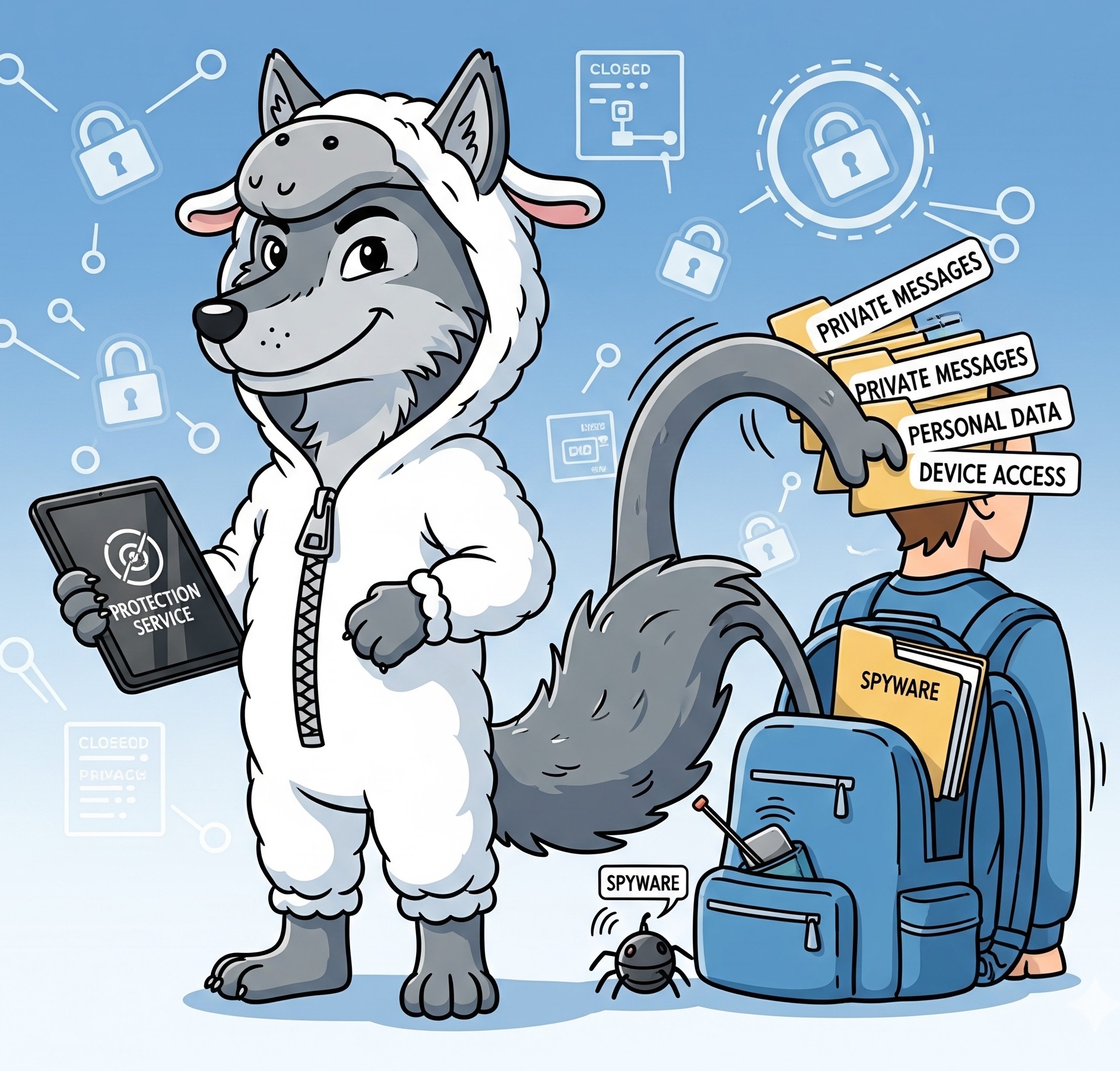
One of the most common trust tactics relies on authority bias. This psychological trigger causes people to trust organizations that appear official or authoritative. Some startups and questionable services exploit this by claiming backgrounds in law enforcement or financial crime investigation without providing verifiable details.
A founder claiming decades of service without naming a specific police department, rank, or documented service history should be considered a serious red flag. Vague credentials create the appearance of authority while avoiding verification. Legitimate experts provide transparent and verifiable professional backgrounds.
The Risks Of Active Monitoring
Services promising to monitor private communications in real time introduce significant privacy risks. In order to scan emails, text messages, or social media accounts for scams, these applications must be granted extensive access to a user’s digital life.
- Data Harvesting Once an application receives permission to read messages, those communications may be stored on private servers. Large collections of personal data become high value targets for hackers and criminal groups.
- Screenshot Scanning Allowing an application to scan photo galleries can expose extremely sensitive information. Screenshots may contain banking details, identification documents, or passwords which then become accessible to the service provider.
- Client Side Scanning Some platforms analyze content directly on the device before encryption occurs. This effectively bypasses the protection provided by end to end encrypted messaging services.
Another concerning trend involves the sale of simulated phishing attacks.
In these programs, individuals pay companies to send fake scam messages as a test of awareness. This creates an ongoing vulnerability because users are intentionally allowing a private entity to bypass security filters and send deceptive messages to themselves or family members.
Subscription Traps, Free Trials And The “Roach Motel” Scam
Many platforms operate using recurring subscription fees while offering services government agencies and non profit organizations provide for free. A common tactic involves advertising a free trial or very low introductory price automatically converting into a paid subscription if the user does not cancel before the trial period ends.
In some cases the cancellation process can become unnecessarily complicated. Users may discover ending the service requires navigating multiple account menus, contacting customer support, or submitting cancellation requests through email or support tickets. These delays can result in additional billing cycles.
Consumer protection regulators often describe this model as the Roach Motel. The name Roach Motel originates from a 1970s advertising slogan for an insect trap promising roaches check in, but they do not check out. In the digital economy, the term now describes a manipulative design pattern in which signing up requires seconds, yet cancelling can demand persistence, repetition, and patience
Typical warning signs include:
- Automatic renewal after trial periods
- Free trials frequently convert into monthly subscriptions unless cancelled before a specific deadline.
- Limited cancellation methods
- Some services only allow cancellation through support requests or external portals rather than a clear in app option.
- Hidden billing timelines
- Important details about when charges begin may appear only in lengthy terms and conditions.
Friction based cancellation
Users may be required to navigate multiple pages or confirmation steps before the cancellation request is accepted.
These design tactics are commonly referred to as dark patterns, meaning user interface strategies that influence behaviour in ways that primarily benefit the company rather than the user.
Before starting any free trial or security subscription, it is important to verify that cancellation instructions are clear and accessible. If cancellation becomes difficult, contacting the bank or card provider to block recurring charges may be necessary.
How To Protect Your Community
Vigilance remains the strongest defence against both scammers and predatory security services. Before using any security platform, watch for the following warning signs.
- Aggressive Social Media Promotion Legitimate cybersecurity organizations rarely use interruption marketing or automated comments on public posts to attract customers.
- Demand For Sensitive Permissions Any application requesting access to contacts, message history, photos, or full device monitoring should be carefully reconsidered.
Free Public Education Resources
We provide free information and research dedicated to educating the public without requiring paid subscriptions or invasive data access. Relying on transparent institutions ensures strong security awareness without sacrificing personal privacy.
ScamAdviser also offers tools that allow users to quickly check the reputation and risk profile of websites before interacting with them.
Official International Reporting And Information Resources
When encountering potential fraud, always rely on verified government reporting systems. These institutions provide free assistance and official channels for reporting cybercrime.
- 🇨🇦 Canada
Canadian Anti-Fraud Centre
https://antifraudcentre-centreantifraude.ca - Canadian Centre for Cyber Security
https://getcybersafe.ca - 🇺🇸 United States
Federal Trade Commission
https://reportfraud.ftc.gov - Internet Crime Complaint Center
https://ic3.gov - 🇬🇧 United Kingdom
Action Fraud
https://actionfraud.police.uk - National Cyber Security Centre
https://ncsc.gov.uk - 🇮🇪 Ireland
An Garda Síochána
https://garda.ie/en/crime/fraud - 🇪🇺 European Union
Europol European Cybercrime Centre
https://www.europol.europa.eu/report-a-crime - 🇦🇺 Australia
National Anti-Scam Centre
https://scamwatch.gov.au - Australian Signals Directorate
https://cyber.gov.au - 🇳🇿 New Zealand
NetSafe
https://report.netsafe.org.nz - 🇸🇬 Singapore
National Crime Prevention Council
https://scamalert.sg - 🇿🇦 South Africa
Cybersecurity Hub
https://cybersecurityhub.gov.za
Staying informed and relying on established public institutions remains the safest way to combat fraud and protect personal information online.
- Log in to post comments