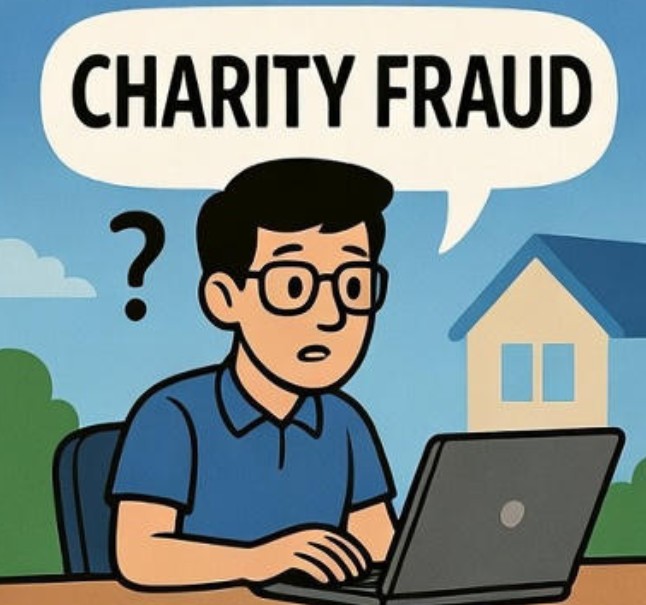
 Charity scams are growing in sophistication. Even globally recognized movements, such as Black Lives Matter, have had certain chapters or individual leaders face legal action for misusing donations. These cases do not indict the movement itself, which continues to advocate for social justice, but they illustrate how even trusted causes can be exploited. Investigations revealed instances where funds intended for community programs and advocacy were redirected to personal expenses, highlighting the importance of vigilance for donors.
Scammers Go Beyond Fake Charities
Fraudsters are no longer limited to setting up fake websites or crowdfunding campaigns. Some have infiltrated legitimate organizations, gaining access to internal systems, donor lists, or fundraising campaigns. By inserting themselves into operations, these scammers can manipulate donations directly, reroute funds, or create convincing internal authentic looking appeals. This high-stakes grift can defraud even experienced donors who assume the organization is fully trustworthy.
Global Scope of Charity Fraud
Fraud is a worldwide problem affecting both well-known and smaller charities. Scammers exploit urgency, emotion, and public trust, often using sophisticated methods to appear credible.
Common Tactics Include:
- Fake charities and look-alike organizations websites and social media accounts mimic real nonprofits.
- Imposter crowdfunding campaigns fabricated stories and stolen images are used to generate donations.
- Phishing via email and social media fraudulent messages gather financial and personal data.
- Crisis exploitation natural disasters, pandemics, and emergencies are leveraged to solicit rapid donations.
- Internal infiltration scammers join legitimate organizations or volunteer teams to gain authority over fundraising or donor communications.
Real-World Consequences
- Some chapters of respected movements have faced prosecution for diverting donations to personal use.
- Disaster relief scams have siphoned millions from donors, leaving victims without aid.
- Health charities have sometimes misused funds for salaries or unrelated projects instead of patient support or research.
- Infiltration schemes have enabled scammers to create highly convincing internal appeals, sometimes for months, before detection.
Red Flags Donors Should Watch For
- Urgent appeals demanding immediate donations without verification.
- Requests for untraceable payment methods, including wire transfers, gift cards, or cryptocurrency.
- Communications appearing official but containing slight discrepancies in logos, email addresses, or URLs.
- Overly emotional narratives pressuring donors to act quickly.
- Internal campaign changes or fundraising emails deviating from previously confirmed processes, particularly if new staff or volunteers are involved.
Steps to Give Safely
- Verify the organization through charity evaluators, government registries, or watchdog groups.
- Confirm campaigns directly with official contacts.
- Use secure payment methods instead of gift cards, wire transfers, or cryptocurrency.
- Check transparency review financial reports, budgets, and annual statements.
- Investigate personnel when possible, verify campaigns and fundraising teams are legitimate and known to the organization.
- Research complaints or news reports to uncover prior issues with chapters or campaigns.
Responding to Suspected Fraud
- Dispute suspicious donations immediately through your bank or credit card provider.
- Report fraud to consumer protection agencies or fraud hotlines.
- Notify authorities if large sums or organized scams are involved.
Charitable giving drives meaningful change globally, but even trusted movements can be targeted by highly sophisticated scammers. Infiltration of legitimate organizations represents a high-stakes grift that can trick experienced donors and redirect resources from those who need them most.
Donors who research campaigns, verify organizations and personnel, and follow secure donation practices ensure their contributions reach the intended programs. Awareness and vigilance are the best defenses, allowing generosity to translate into real-world impact while safeguarding both donors and causes.
- Log in to post comments