
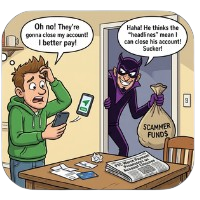
 Here is a new one. Have you heard of debanking? This emerging scam tactic involves fraudsters threatening to terminate your financial services by exploiting real regulatory headlines. While the Federal Trade Commission is currently examining account practices of major payment processors such as PayPal, Stripe, Visa, and Mastercard, scammers are using this coverage to create urgency.
Victims receive fraudulent notifications claiming their account has been flagged for political non compliance or viewpoint violations. The goal is simple. Pressure you into handing over sensitive information or making a so called verification payment to keep your account active.
𝗔𝗰𝘁𝘂𝗮𝗹 𝗣𝗿𝗮𝗰𝘁𝗶𝗰𝗲 𝗩𝗲𝗿𝘀𝘂𝘀 𝗦𝗰𝗮𝗺 𝗧𝗮𝗰𝘁𝗶𝗰𝘀
Understanding how legitimate financial institutions operate is one of the strongest defenses against this type of fraud.
- Communication Methods
Legitimate banks communicate through physical mail or secure in app messaging within official encrypted platforms. Scammers rely on unsolicited texts, emails from non corporate domains, or high pressure phone calls using spoofed numbers. - Notice Periods Banks provide formal notice before account closure, typically giving thirty to sixty days to move funds and update payments. Scammers demand immediate action within minutes or hours.
- Data Requests Your bank already has your information. They will never ask for passwords, PINs, or one time codes through links or phone calls. Scammers need this data to take control of your account.
- Payment Demands No legitimate institution charges a fee to keep your account open. Any demand for cryptocurrency, gift cards, or urgent payments is a clear red flag.
𝗧𝗵𝗲 𝗙𝗧𝗖 𝗜𝗻𝘃𝗲𝘀𝘁𝗶𝗴𝗮𝘁𝗶𝗼𝗻 𝗖𝗼𝗻𝘁𝗲𝘅𝘁
This scam is built on real regulatory developments. On March 26, 2026, FTC Chairman Andrew Ferguson issued warning letters to the CEOs of PayPal, Stripe, Visa, and Mastercard. These letters focus on concerns around denial of financial services based on political or religious views, which could violate the FTC Act and the August 2025 executive order titled Guaranteeing Fair Banking for All Americans.
This is a regulatory and legal issue under review. It is not an emergency requiring any immediate action from consumers.
𝗩𝗲𝗿𝗶𝗳𝗶𝗰𝗮𝘁𝗶𝗼𝗻 𝗦𝘁𝗲𝗽𝘀 𝗙𝗼𝗿 𝗖𝗼𝗻𝘀𝘂𝗺𝗲𝗿𝘀
If you receive a message claiming your account is at risk, do not interact with links or contact details provided.
- Navigate Directly Manually enter the official website or use your verified banking app.
- Use Trusted Contacts Call the number on the back of your debit or credit card to reach a legitimate representative.
- Report Suspicious Activity Forward suspicious messages to your carrier reporting number such as 7726 where supported, or report to your local anti fraud authority.
- Stay alert. Scammers rely on panic and confusion. Slowing down and verifying information will stop this tactic every time.
- Log in to post comments