Fake Silver, Real Losses - How the Private Precious Metals Market Is Being Flooded With Counterfeits
 The global rush into precious metals has created more than just higher prices. It has created opportunity for fraud on a massive scale.
The global rush into precious metals has created more than just higher prices. It has created opportunity for fraud on a massive scale.
 The internet is saturated with products and services promising quick results, insider access, or low risk trials. What many consumers do not realize until it is too late is a large number of these offers are not designed to sell a single product.
I was reading a very informative free ebook from The White Hatter about parenting in an online world and it inspired me to write this little article from the lens of scam awareness and prevention. While this is focussed on kids it also applies to adults
We have all seen it before, the Persian rug store with the enormous Going Out of Business banner permanently stretched across its windows. Months go by, then years, and somehow the sale never ends and the business never closes. What was supposed to be a final liquidation becomes a permanent state of emergency, designed to create urgency, suppress skepticism, and push customers into making rushed purchases. Over time, the tactic became almost a cultural joke, but the underlying psychology worked well enough it never truly disappeared.
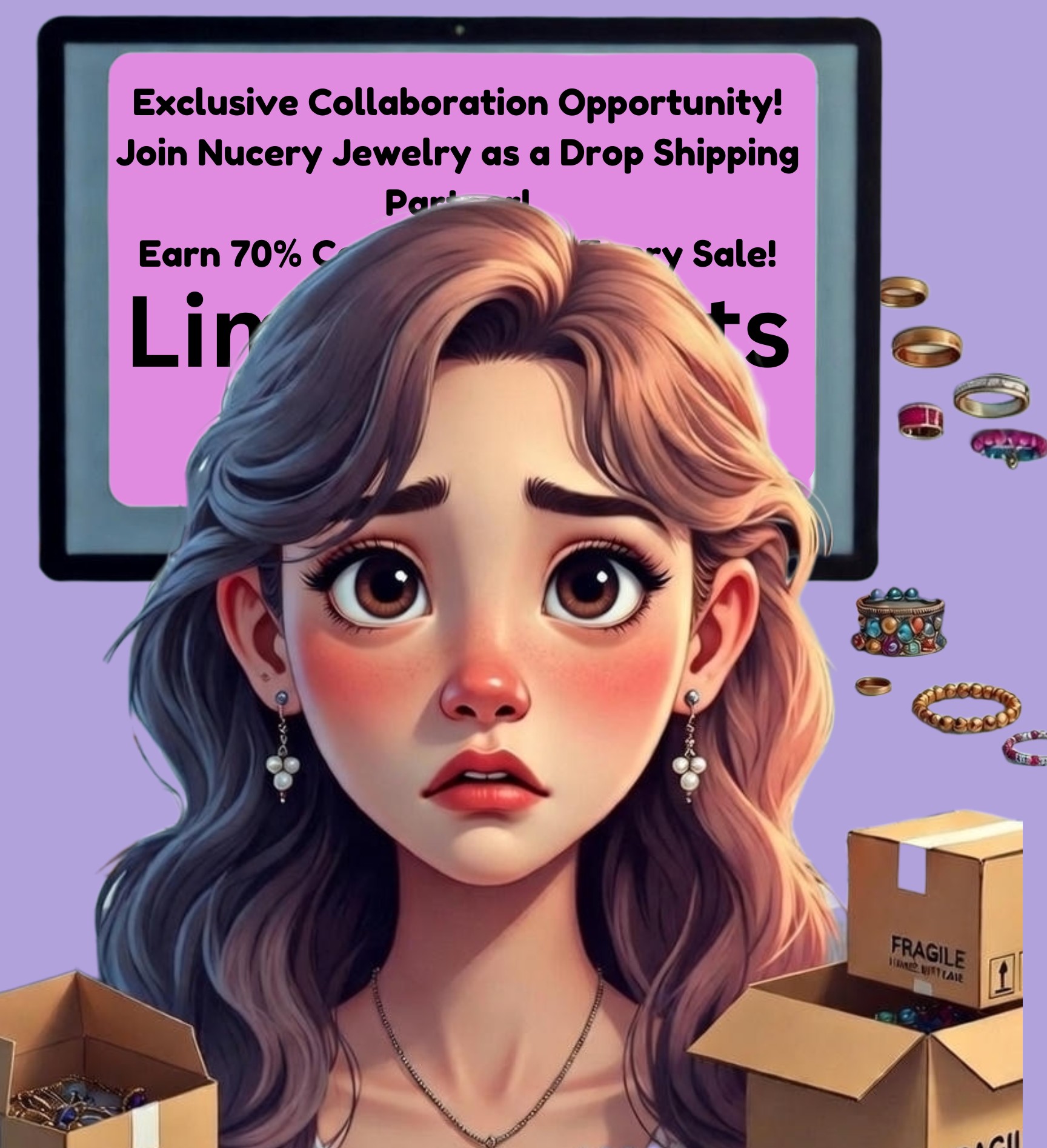 As awareness grows around influencer and creator collaboration scams, a recurring pattern is becoming harder to ignore. Some brands are not just exploiting creators for promotion, they are using collaboration offers as a sales funnel disguised as opportunity.
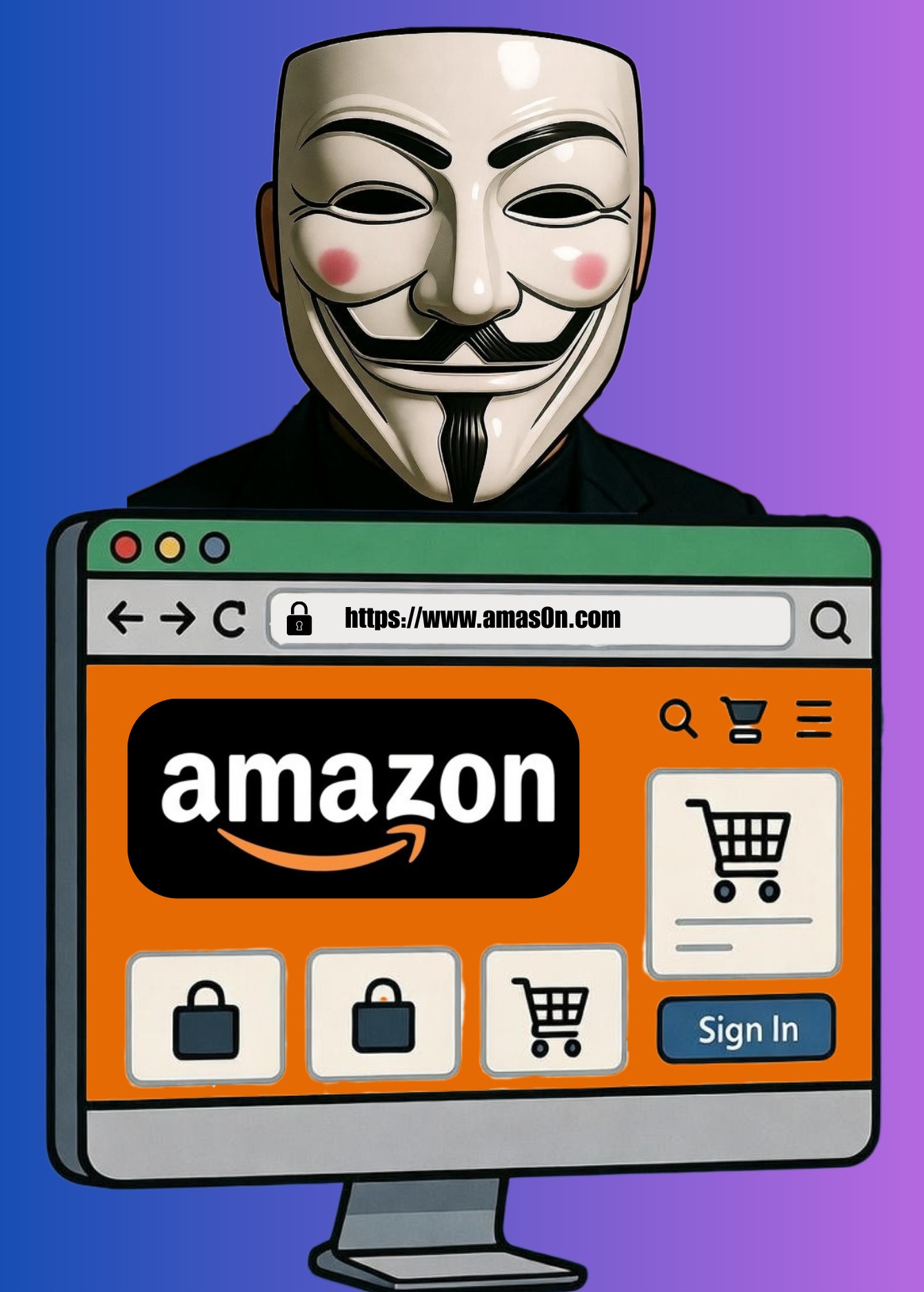 I really struggled with a short menu name for this article and still think I did not get it right, basically the point of the article is to address common misconceptions of what the HTTPS and 🔒 Icon really mean and more importantly what they do NOT mean.
 As the holiday season approaches, scammers ramp up their tactics to take advantage of distracted consumers, seasonal generosity, and the hectic pace of December life.
There is currently a great deal of o nline chatter surrounding World Financial Group and recent lawsuits and settlements tied to its recruitment and compensation practices.
A follower recently brought this so called collaboration offer to my attention, and it is a textbook example of the Instagram brand ambassador scam. The message arrives looking friendly and polished, with someone claiming to be the Director of Collaboration at BfitAmazing. The recipient is called “darling,” praised enthusiastically, and invited to join the "brand family” as an ambassador for a London based activewear label.
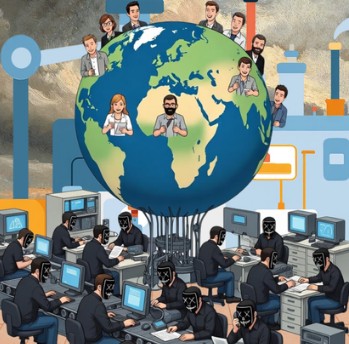 For years, online scams were dismissed as small time fraud, few emails, a few fake profiles and a few unlucky victims. What exists today is a global scam economy structured, financed, technologically assisted, and increasingly protected by weak regulation, corruption, and geopolitical blind spots.