Financial grooming scams involve a predatory process where an individual or group builds a deep, trusting relationship with a victim to exploit them financially. Unlike traditional phishing or fast-acting fraud, these schemes often span weeks or months.
Scammers invest significant time establishing emotional rapport, appearing helpful, or providing technical guidance to lower the victim's natural defences. While modern technologies enhance these operations, the core of the scam remains rooted in psychological manipulation and the exploitation of human trust.

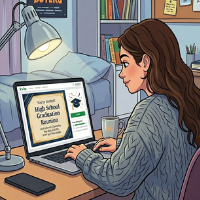 Phishing scams come in many forms, and attackers regularly swap out the bait. The latest version uses fake digital invitations to steal credentials or take over your computer entirely.
 Bluekit, a new artificial intelligence driven phishing platform, has just been launched and it is putting everyday users at serious risk. What makes this particularly alarming is it hands sophisticated attack capabilities to low level criminals who previously lacked the technical skill to pull them off.
 A recent surge in telecommunications exploitation targets mobile accounts and corporate budgets. Criminal networks currently deploy two primary tactics draining funds: Click2SMS and SMS pumping.
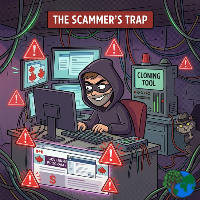 Scammers do not need to invent opportunities - they wait for governments to create them.
 If you post artistic or creative photos on social media, you may have already received a message like this: "I love your photos. I would like to use one as the reference for a painting. I am willing to pay you well for permission." It sounds flattering, maybe even exciting. It is a scam.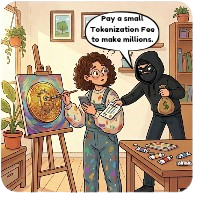
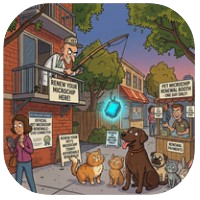 Pet microchip phishing scams are active in multiple countries. Scammers send emails and text messages falsely claiming a pet's microchip registration has expired or requires immediate renewal. The purpose is to extract personal information and payment credentials from pet owners. Microchips are permanent implants. The hardware does not expire.
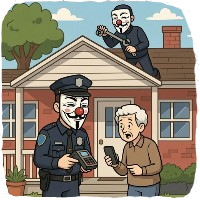 Roofing scams have historically relied on the inability of homeowners to verify claims regarding the condition of their rooftops or attic spaces. Decades ago, fraudulent contractors utilized rudimentary methods to fabricate evidence of structural failure.
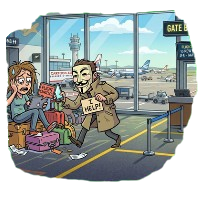 Organized scammer networks are running sustained, large-scale operations across social media platforms to impersonate major airline carriers. These fraud campaigns target travellers caught in flight disruptions of any kind, including weather events, mechanical delays, air traffic control failures, labour actions, and regional instability anywhere in the world.