
The Digital Ghost: Rising Synthetic Identity Scams And The Unemployment Fraud Crisis
 The Federal Trade Commission issued a stern warning this week regarding a surge in fraudulent unemployment claims. Many individuals are receiving official letters about benefits they never requested. Receiving such a document serves as a definitive indicator of identity theft. This trend aligns with alarming global projections for 2026.
 Another high pressure personation scam is currently targeting individuals by exploiting the names of reputable government entities, specifically CISA (the Cybersecurity and Infrastructure Security Agency) and the MHS GENESIS health record system.
 Further to previous articles on fake social media groups designed to scam members, the rise of Agentic AI represents a dangerous new frontier in community-based fraud. These autonomous systems do not merely post static advertisements.
 Roach motel subscription scams are accelerating across multiple demographics, reinforcing a hard truth: no one is immune to engineered digital friction.
 Authorities are warning the public about a refined iteration of a recurring personation scam directly targeting families of individuals who are already incarcerated. The underlying fraud is not new. What has evolved is the precision use of real custody situations to increase credibility and emotional leverage.
 Digital fraud is undergoing a fundamental shift as criminal organizations move away from simple phishing toward the mass creation of synthetic societies.
 A follower recently contacted me with a message that perfectly illustrates the psychological trap set by fraudulent global casino platforms:
 The international marketplace for logistics equipment is experiencing a significant surge in fraudulent activity. As global trade expands and supply chains evolve, scammers are aggressively exploiting the sustained demand for shipping containers and trailers.
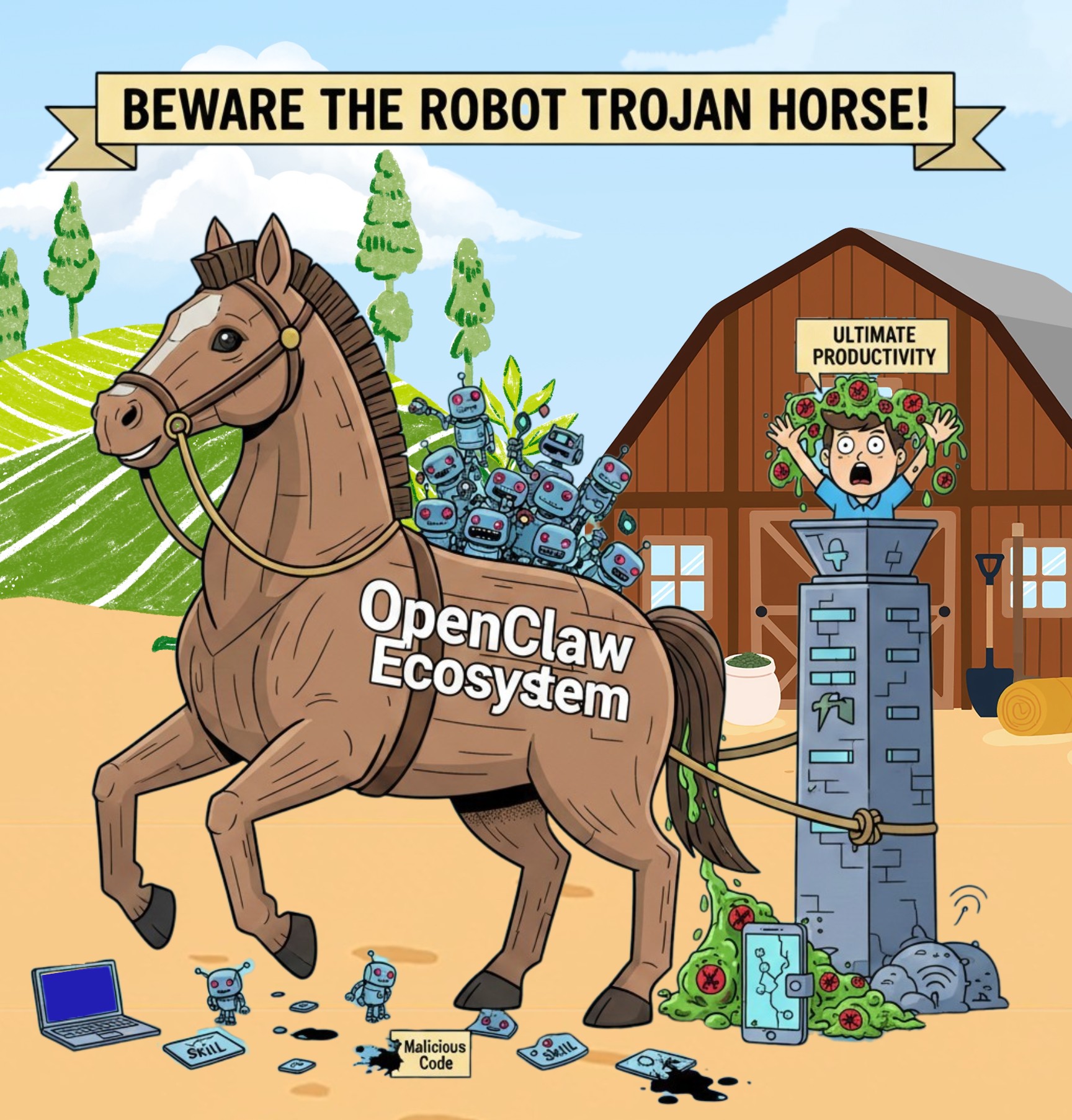 The evolution of artificial intelligence has shifted rapidly from passive conversation to autonomous action. Traditional AI tools such as ChatGPT, Grok and Gemini operate like digital librarians, responding only when queried and remaining confined to informational tasks. A new class of technology, known as agentic AI, is now emerging.
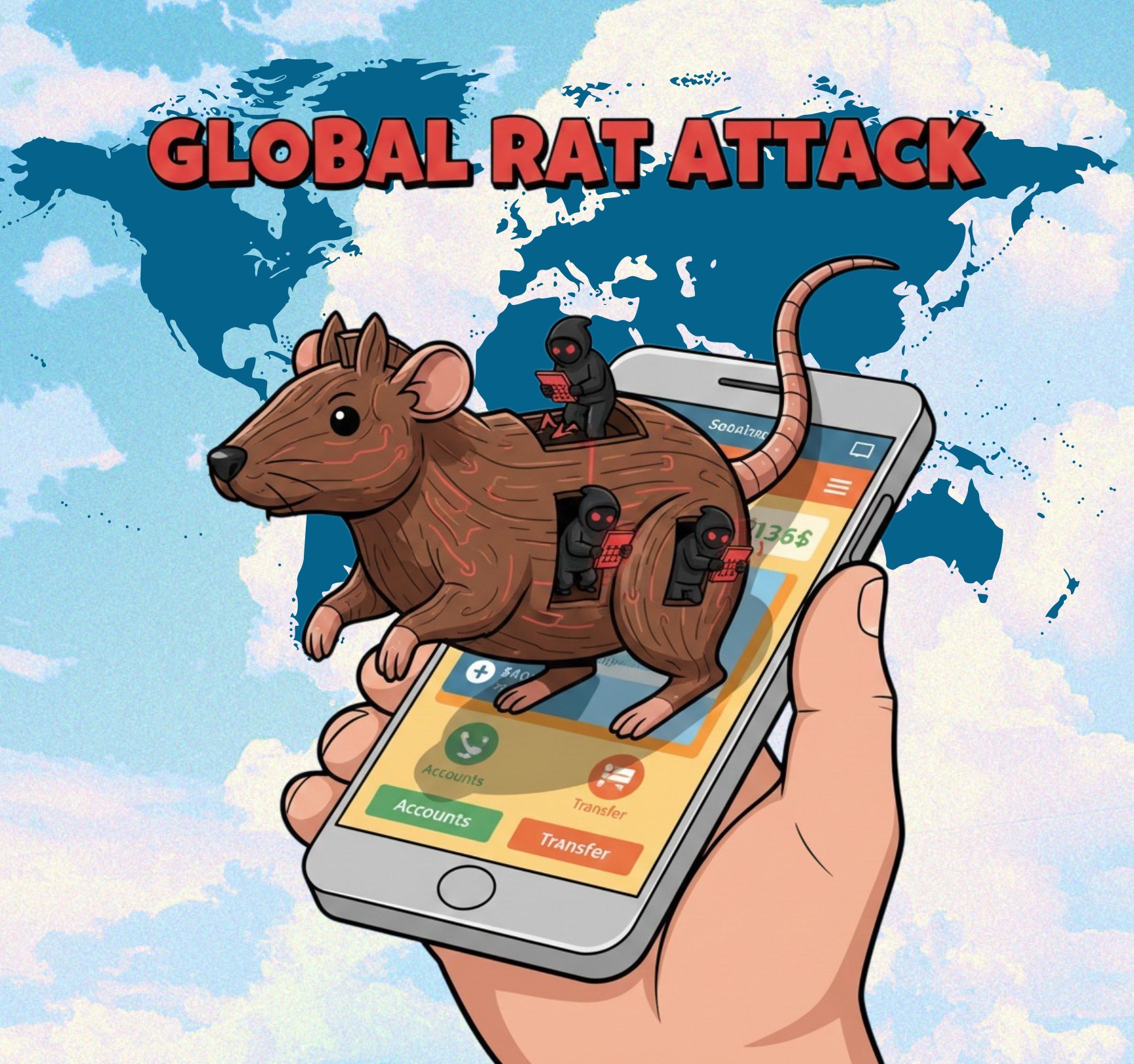 Remote Access Trojans, commonly referred to as RATs, have evolved into one of the most disruptive and least geographically constrained threats facing the global financial ecosystem.