
Russian "Signal Security" Phishing Campaign Targets High Level Officials
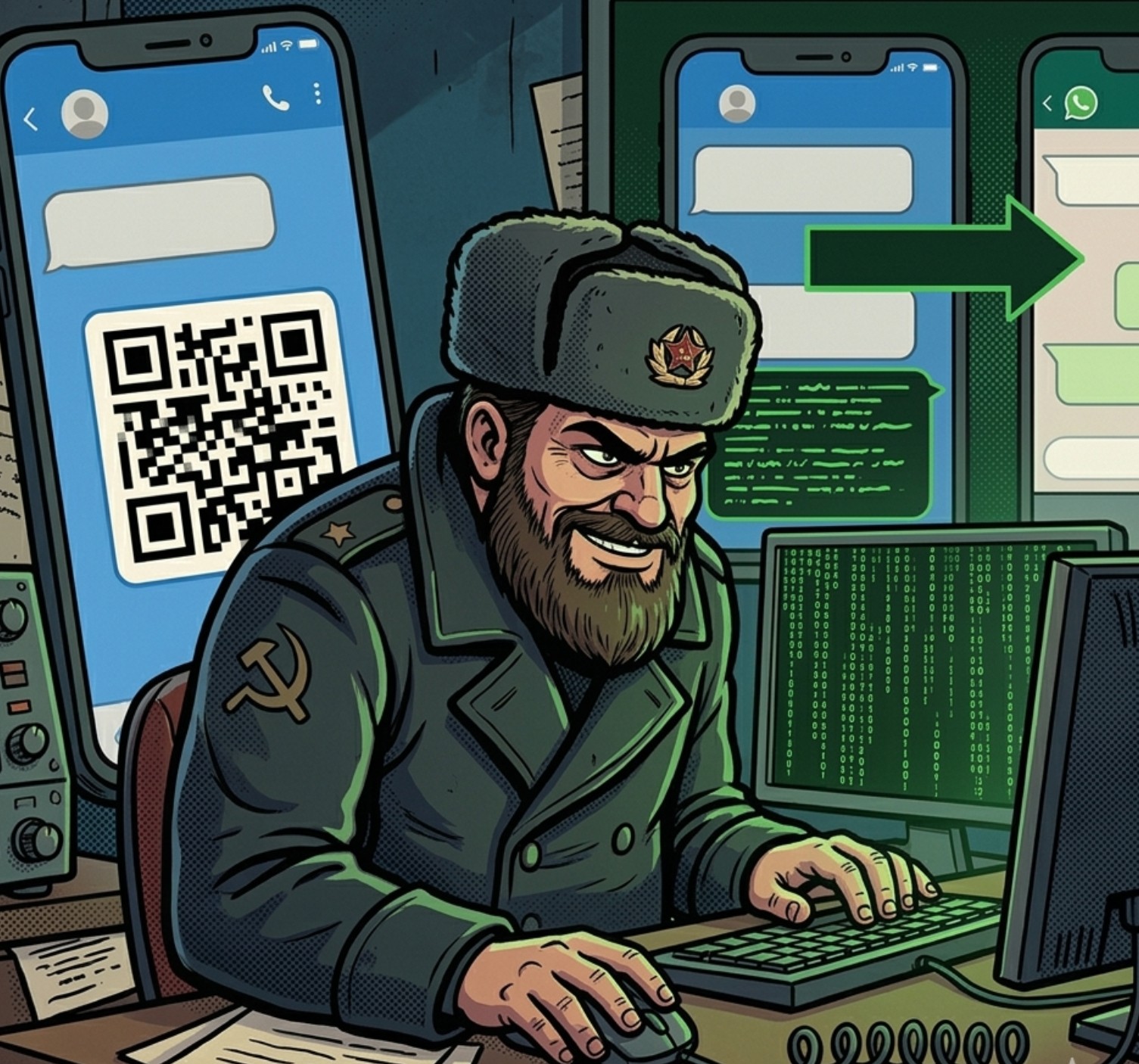 The Dutch intelligence agencies General Intelligence and Security Service and Military Intelligence and Security Service issued a high priority warning regarding a sophisticated phishing campaign conducted by Russian state backed actors.
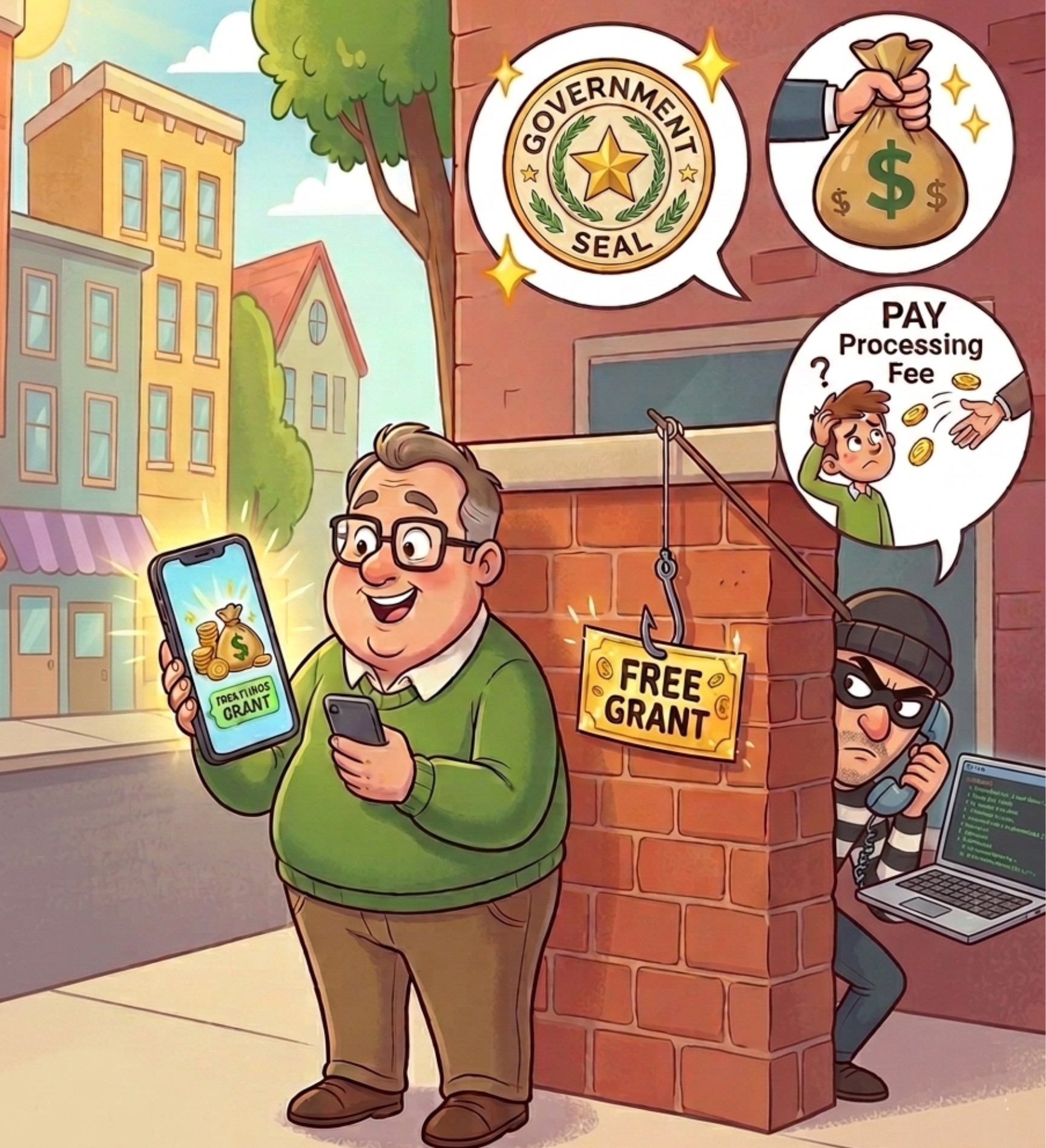 The Federal Trade Commission recently issued an alert concerning a resurgence of fraudulent activity involving "free government grants." Scammers currently utilize social media and text messages to reach potential victims, promising significant sums of money for personal expenses such as home repairs, medical bills, or general financial relief.
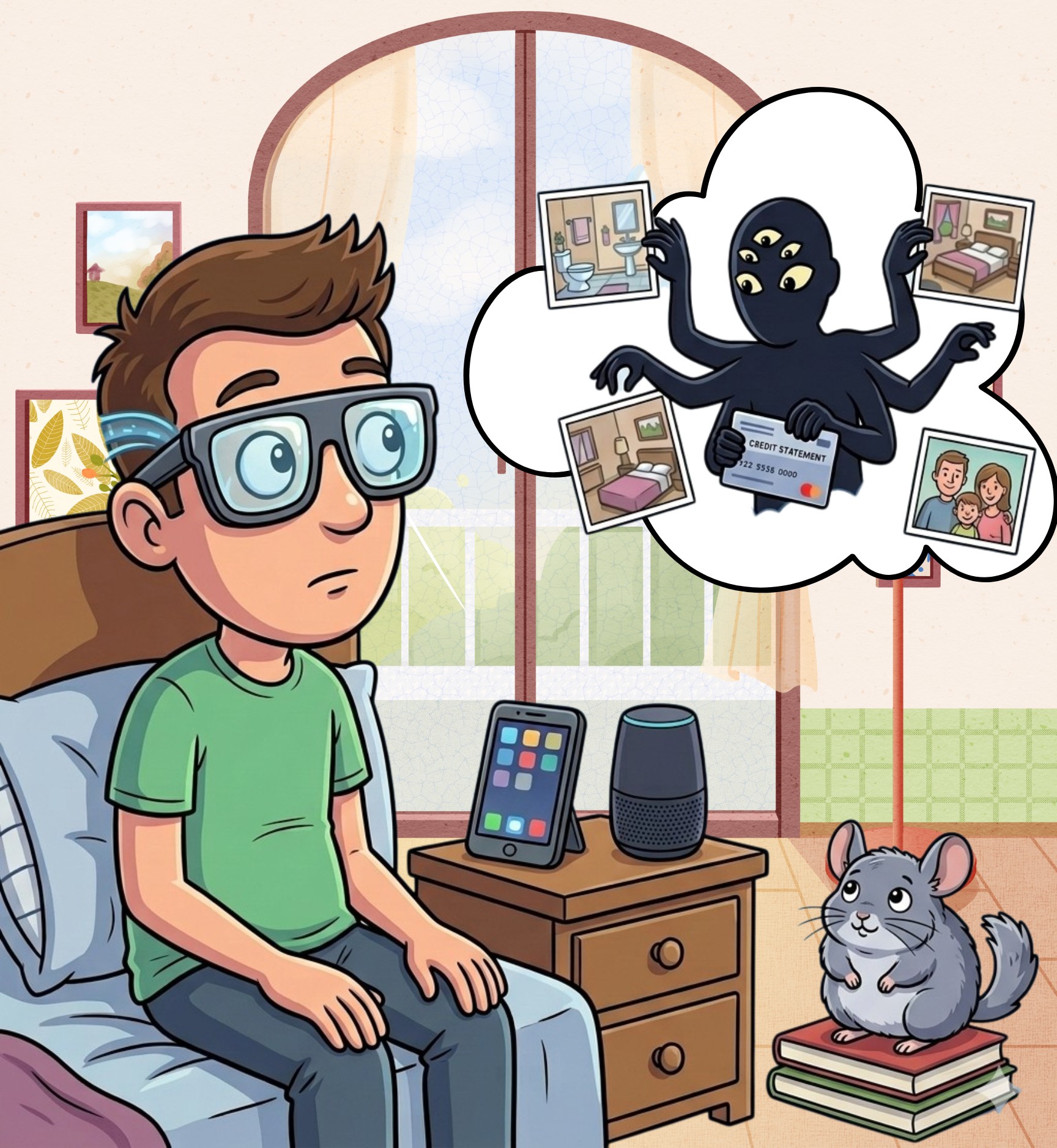 I previously posted an article about the
  First of all, there is no such thing as Google Coin. The Google Coin AI story is yet another in a long line of cryptocurrency investment scams, leveraging the high-pressure tactics of the "crypto craze" to exploit unsuspecting investors.
 I was just reading
 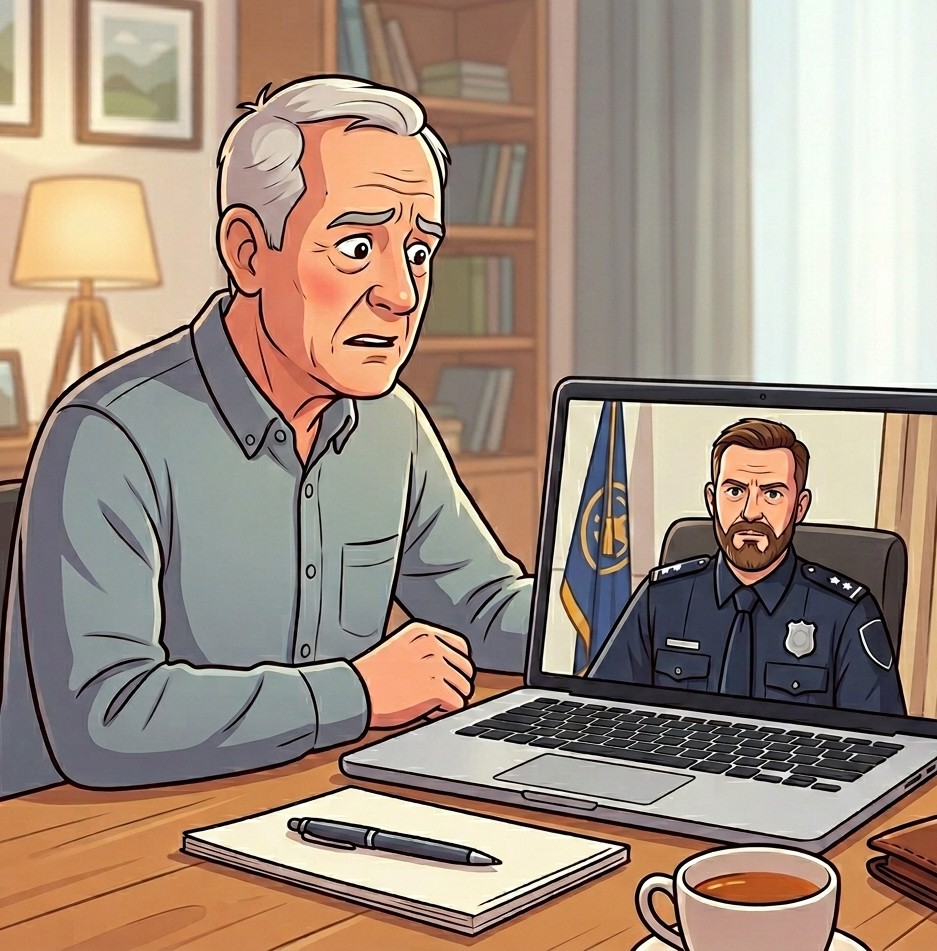 Video conferencing has now been added to the tactics used in police personation scams, representing a growing trend in cybercrime where fraudsters impersonate law enforcement officers to manipulate victims through psychological pressure.
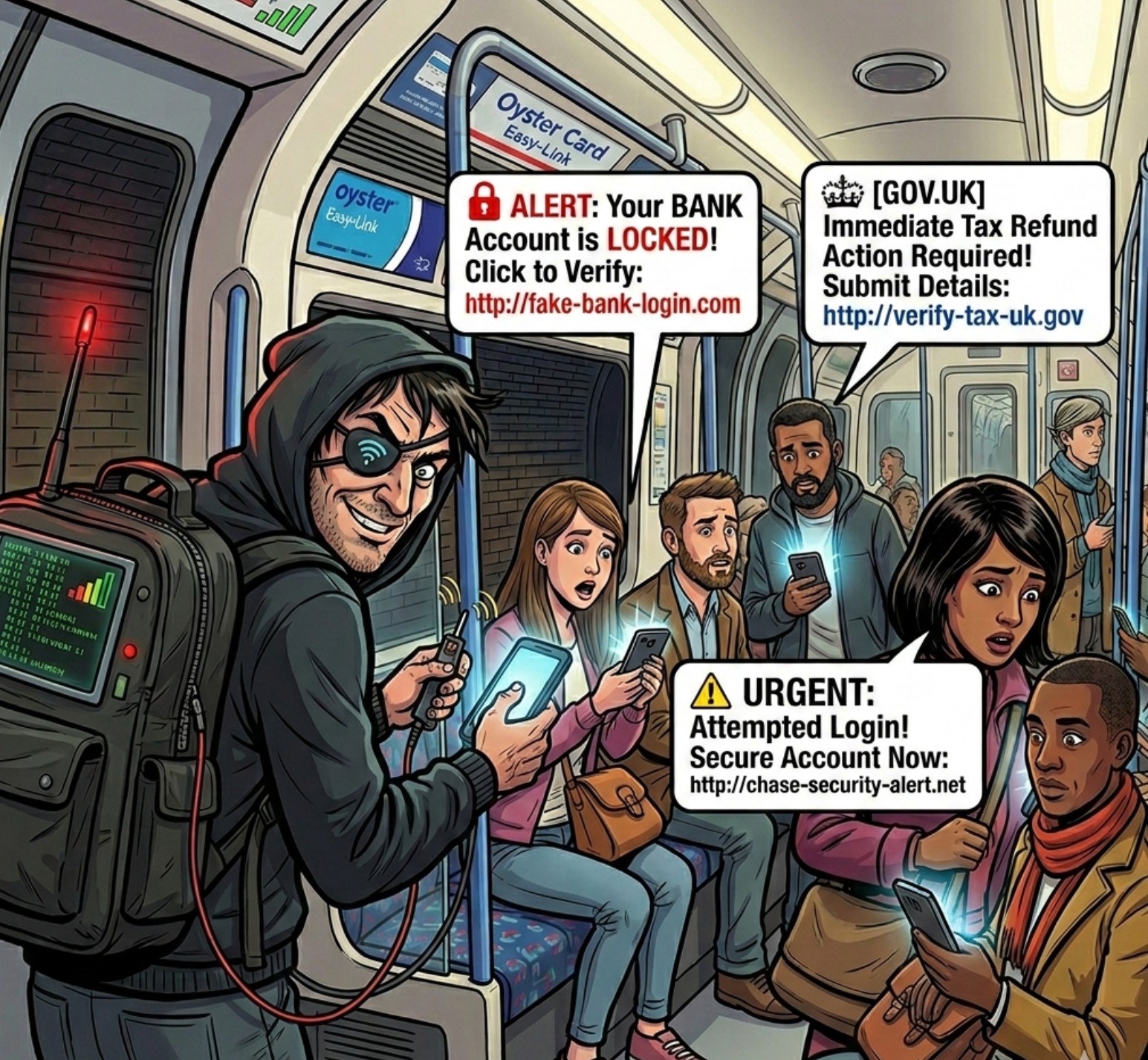 Once the exclusive domain of international espionage and Hollywood Spy Movies, rogue mobile towers have officially moved into the hands of street-level criminals. For decades, "Stingrays" were high-budget tools used by actual spies to intercept communications of high-value targets.